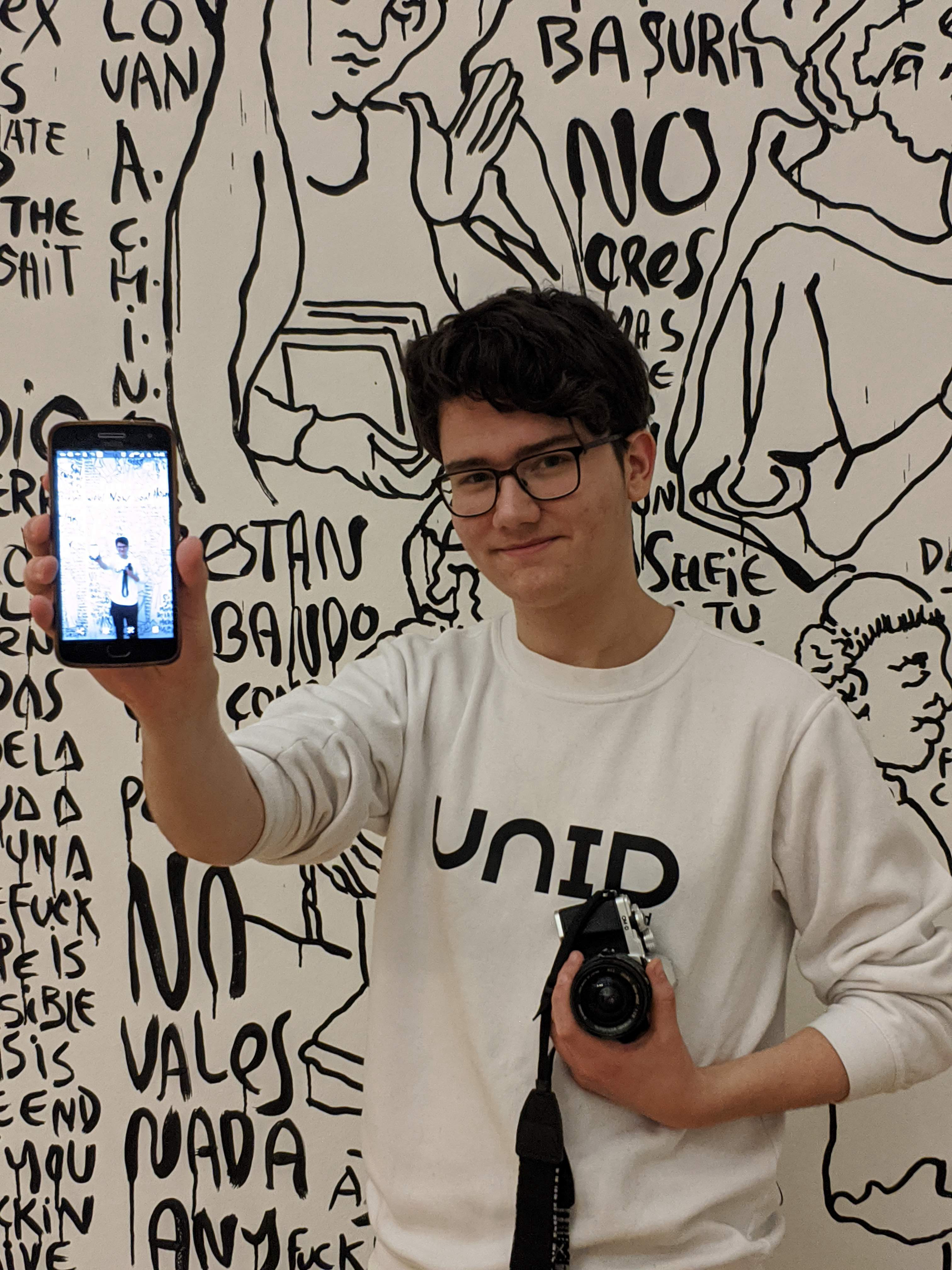
Hi I'm Diede! an industrial design student at the TU/e
Design identity
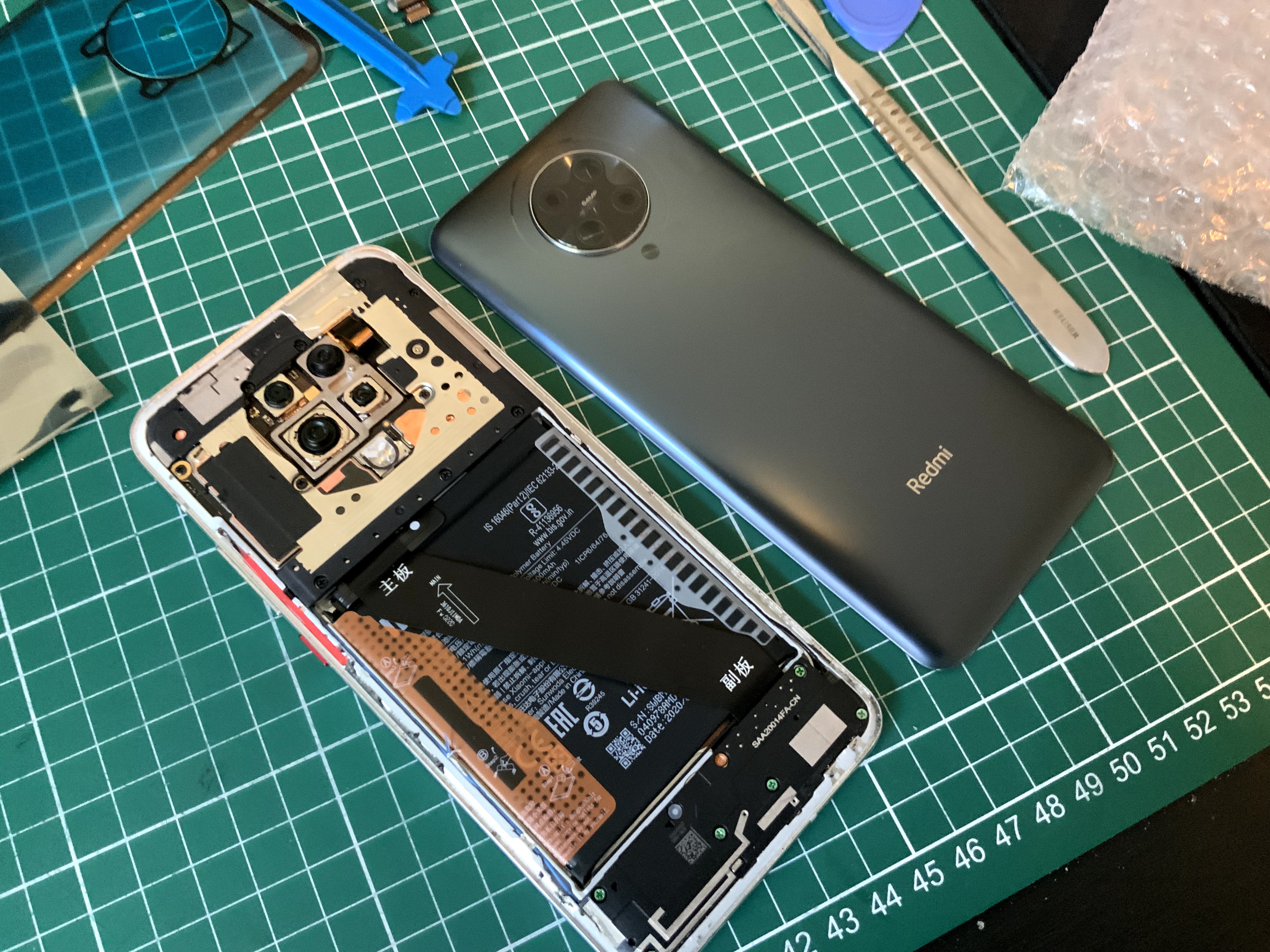
Details are important in my designs. In my projects, I strive for powerful concepts that are cleverly executed. For me, subtle details and robust execution are the basis for this clever execution. Studying and sometimes disassembling devices, helps me to better understand their operation and the reason for specific detailing. This helps me as a designer with the detailing in my own designs. My goal is to create a stronger connection to a product through attention to detail. I am convinced that it is precisely these details that make a product owner proud and happy. It's all about details, such as the subtle haptic feedback you get when unlocking your smartphone.
Within design, I create throughout the whole process. This can range from early drawings and visualizations to fully working prototypes. Concepts visualizations allow me to explain hard to grasp concepts in a more accessible way and communicate my ideas. When I design, I like to build forward on simple concepts and work these out in to detail. A good concept is a good first step but then executing the idea well Is a challenge on its own.
My design signature is the addition of twists or quirks. Quirks are details that could be seen as unconventional, but in my personal opinion unconventionality is a character trait of my products. For example, my bright yellow 3D prints, a color that is barely used in most products, can now be seen across campus. When working out these concepts I like to take the role of the devil’s advocate. This allows me to explore other views on the world. By forcing myself to defend ideas that clash with my own values, I can reflect and see the cracks of my own perspective but also spot what might be unconventional.
As a maximizer, I want to get everything out of my devices and work, this maximizing mentality gives me a lot of perseverance in achieving my goals. Because of my perserverance I barely see something as impossible or too much effort.
But what do you do?
Project Cards
To see my projects, click and drag the cards off the screen!
My final bachelors project
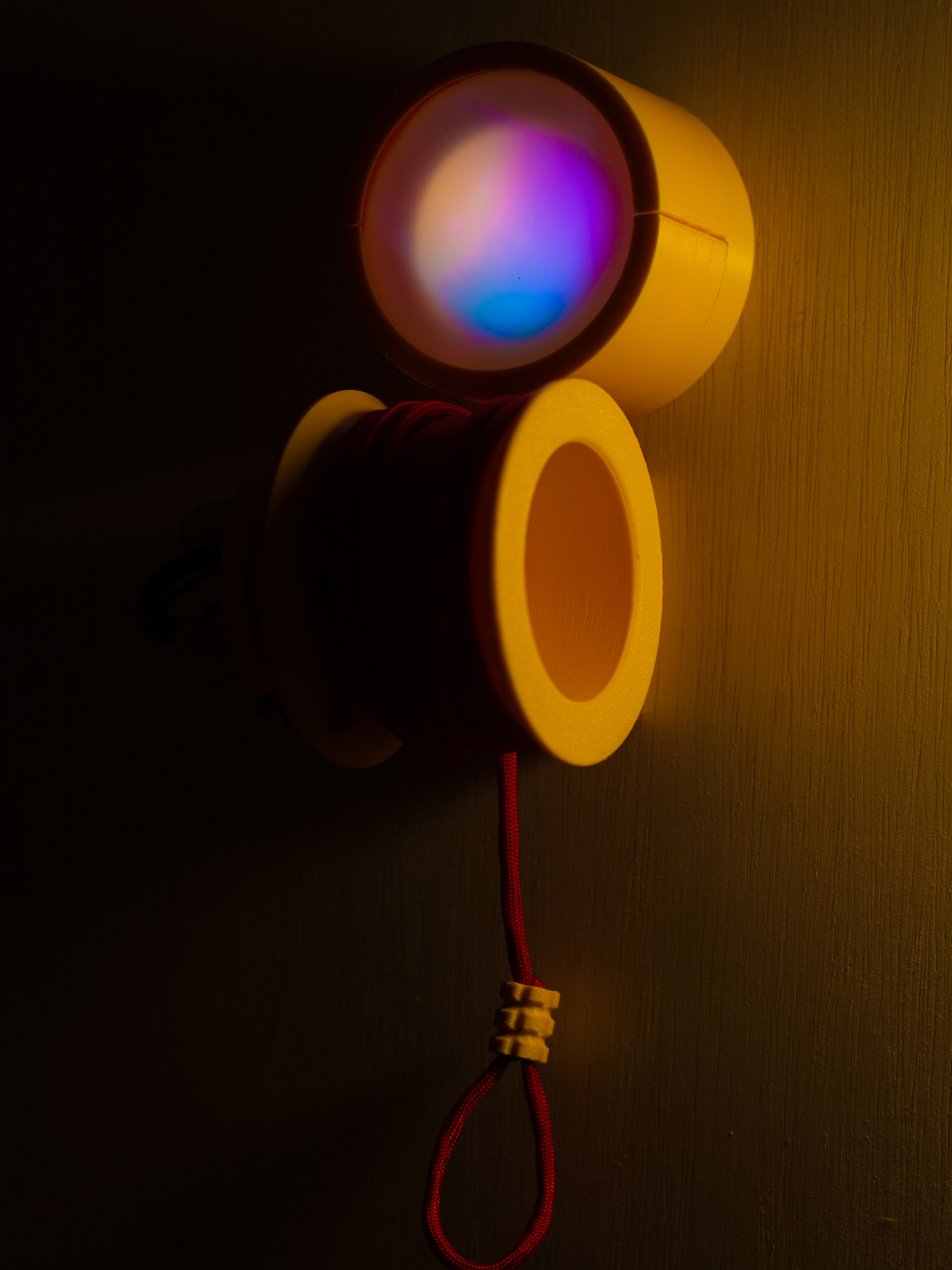
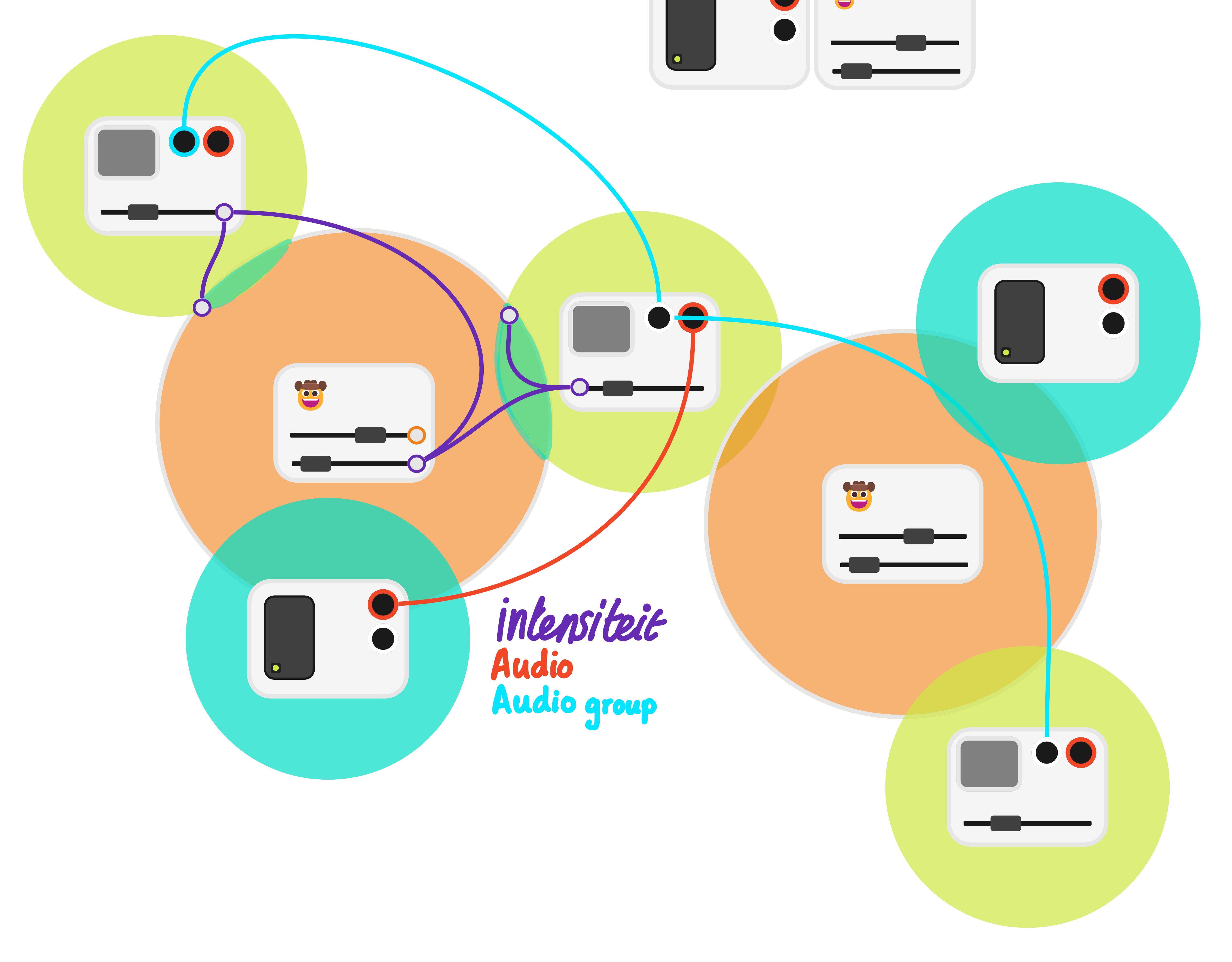
For my final bachelors I wanted to improve Internet of Things geofencing systems and make them more humane. By analysing geofencing through an user control perspective just like in my project three, it was clear that these systems would not involve the user in the decision process of controlling appliances, this while many smart home users often feel out of control. To change this decision process, I set sail to create my own variant, I applied my coding skills gained through the heyOOCSI! Internship by starting to code my own simple variant of a geofencing interaction and modified this to feel less enforced on me. I liked the interaction but was not quite sure about the heading, so here I allowed myself to take a step back and realize where I am in the process just like in my first project, which resulted in me slightly diverging the course of the project into creating an interaction that would support my created geofencing system rather than the whole system. I decided to create a device through which users could express their need to be interacted with and a supporting interaction through which users could limit how far smart devices could respond to people.
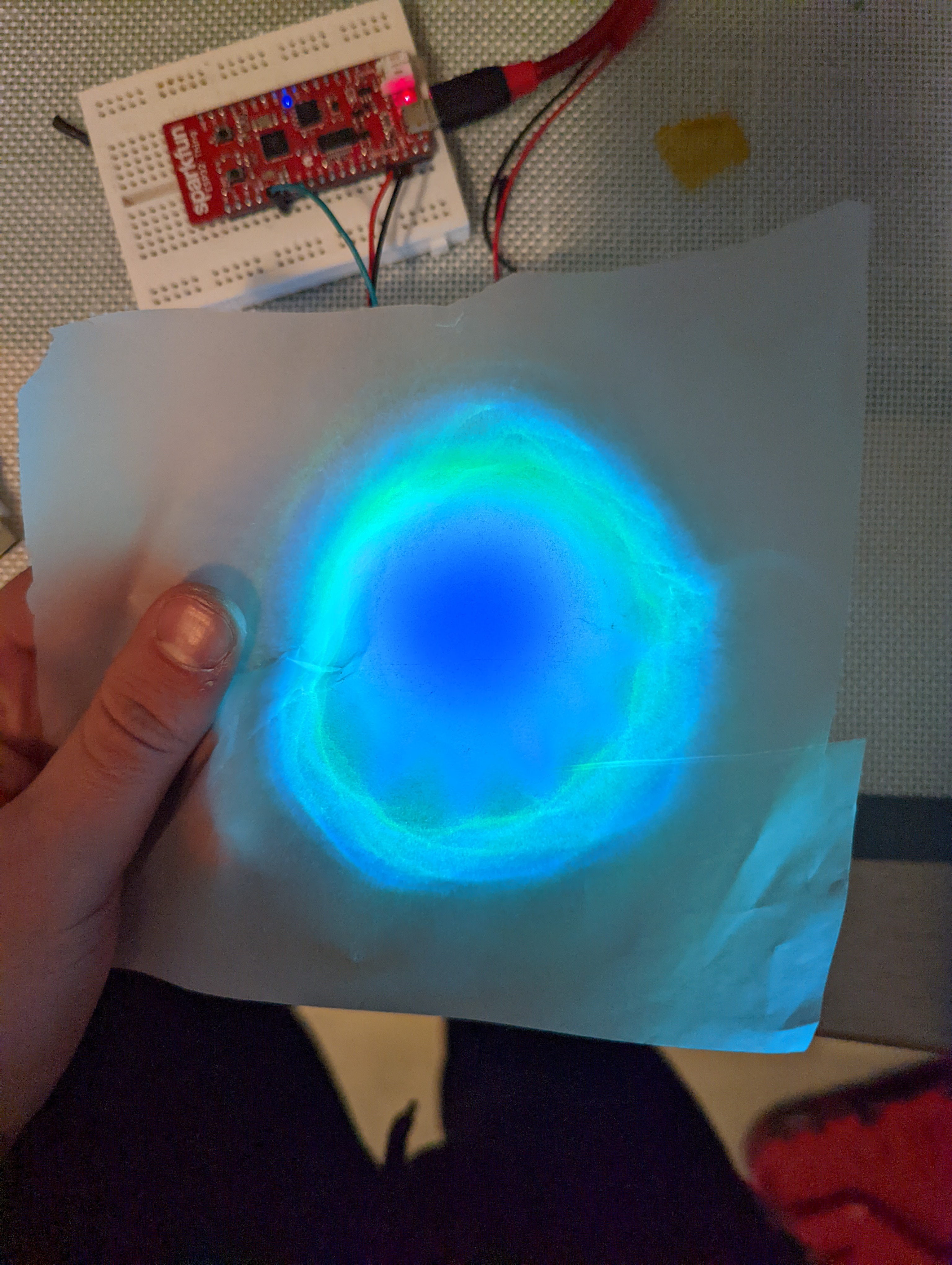
I created a more thorough interaction through a cocreation session, something that was new to me, and took this into a new concept. This concept I then pressure cooked into a prototype that would represent my projects values of ease and control through its high level of detail. I used my skills gained in Aesthetics of interaction to create a more meaningful interaction that would express spatiality and make sense in a physical environment, rather than a simple dial which was the idea at first. This allowed me to fit the interaction better to its purpose.
Meanwhile I investigated how to market an ecosystem that the sphere would provide for the course design innovation methods. This showed me the importance of interoperability, but also the business models and tricks that come along. For my deliverables my skills gained by Socio Cultural Design and Perspectives on Aesthetics played a role as they helped me shape the narrative of my project and get my points across clearly. This all resulted in the final concept shown in the project section, A project that represents me as designer!
How do you see the future?
Vision on design
Modern-day smart products are not made to be used by humans directly, rather they’re made to be used through smartphones. Activating appliances through a smartphone feels like a gimmick to most people. Virtual buttons might allow for easier connectivity solutions, but for me, they kill the immersion of living in a smart home by disconnecting me from the physical home. The smart home product I value the most in my own room is the simple smart light switch as it allows me to change my lights without having to use my phone. I think appliances should focus more on interacting in the physical ecosystem of the house, with the common goal of delivering a more humane and seamless experience to the end-user. Where some designers believe the future of design is in the metaverse, I think the future of design enhances the real world.
For this to be realised I believe in testing products in smart environments. Because in a smart home the interaction isn’t just about a product on its own, but also how we take the most advantage of it within the greater ecosystem. All these devices in your home are created to make you feel at home, but lose much potential by not working together. Imagine watching a movie without sound! The good home doesn’t just rely on lighting or sound, its an immersion of many factors.
The best way to explore arising functionalities between products is to create high-detail prototypes, as attention to detail either makes or breaks the product interaction. Small oversights can cause major inconveniences for at least someone. Attention to detail not only creates a better smart home ecosystem but also helps me create a better bond with products. As a consumer myself, I appreciate it when a thought went into detail that is not obvious at first.
For us users to take advantage of unknown functionalities I believe in creating open products. Open products to me are products that invite users to open them up and have documentation about how these products work. As a maximizer I think open products, will allow their users to modify their products to fit their own needs and act on emergent phenomena. This not only helps us create a more sustainable future but also increases the emotional bond through personalization!
So how did I develop?
Math, Data & Computing
Even though I didn’t have any coding experience before starting this bachelor, I was one of the few students that understood what they we’re doing during the Creative Programming course, and I noticed I had quite some programming talent so to say. I started off in processing, but after I understood how that worked, learning other new languages was a breeze. This shows in this but also my previous portfolio that we’re coded by me. Having programming skills allows me to create things for the digital age, without being limited by the features of more user-friendly programs. More than often already existing programs limit my creativity as they are generally restrictive but being able to make stuff myself allows me to bypass these restrictions and reach my goals. Whereas my connected dog feed would connect to my google home through a premade service, my more recent prototypes could connect to home assistant directly!
During my FBP, I primarily improved myself on making use of math and functions inside my design process, in my final bachelors reporte I analyze and explain geofencing through functional logic. This allows me to explain the systems behavior in an understandable way. This gave my project a software and data first approach during the first half of the semester. I think this can be perceived as a positive approach to design as it allows me to look from a more systematic view on the technology in the house. On top of that thinking about how products could collaborate with each other allows for more elaborate interactions
Including the following hardskills
Where is the future headed?
My future plans
For the future I want to do a master’s in industrial design and specifically in the field of Computer Human Interaction. The overlap between psychology and the integration of often intrusive technologies is a field that interests me a lot. I to keep on exploring this within the field of smart homes but I am not quite sure about this. The reason smart homes are a subject that interests me a lot is that I think that homes are the battlefield of directing technologies and the values of their inhabitants. I want to do this here in Eindhoven as Eindhoven is still one of the better design studies when it comes to Computer Human Interaction, but I do aspire to do an exchange to Carnegie Melon University at some point as a lot of their graduate projects entice me. Attending another university will also allow me to see another perspective on design which will be valuable in exploring my identity and vision. How I want to develop on the expertise area’s is still unclear to me. This, however, might be a positive sign about my previous development and allows me to jump into my future education freshly.
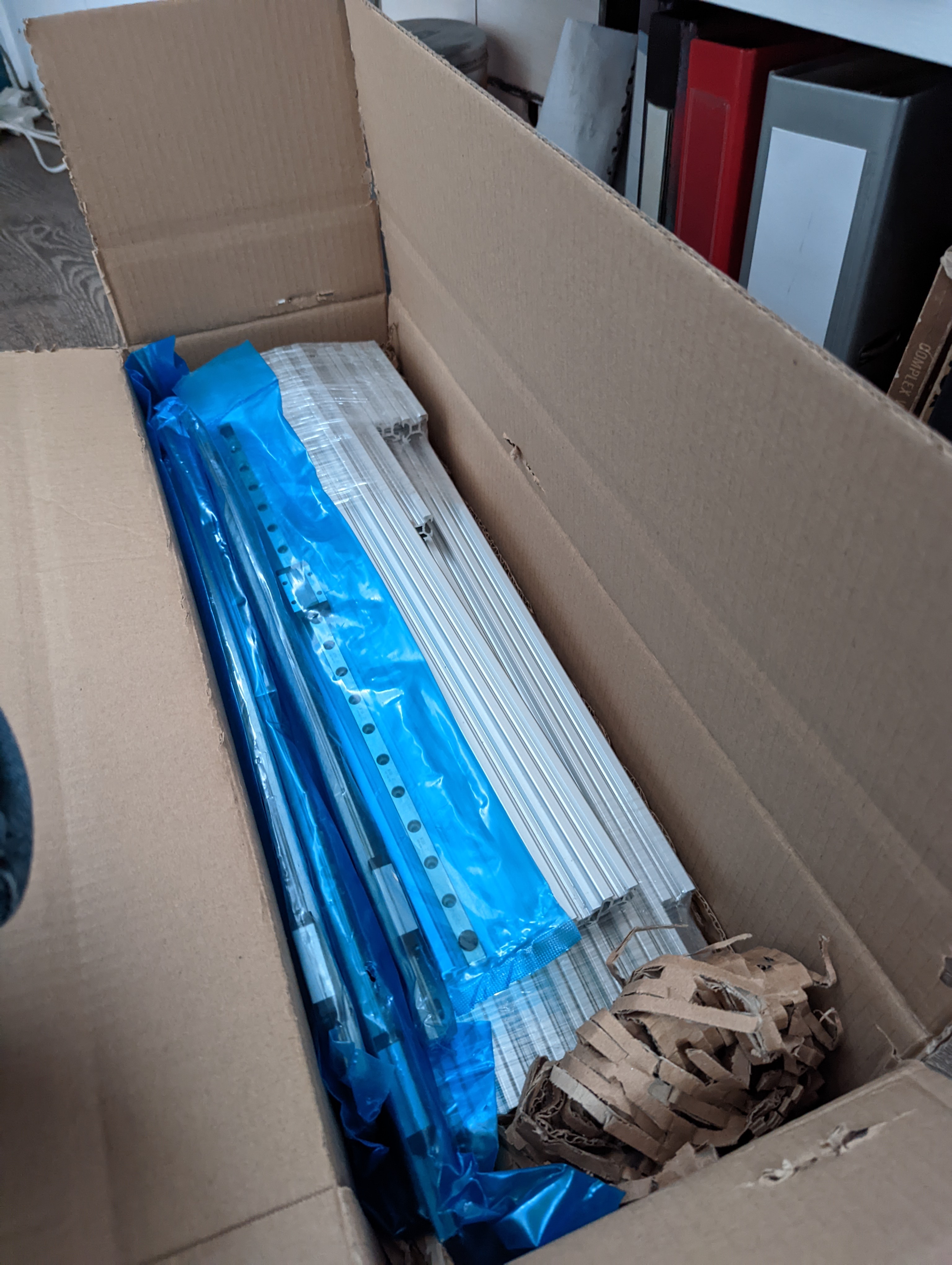
As for my next project I want to create my own 3D printer during the summer, I noticed that I liked working on and with my 3D printer in my spare time and want to take the next step in this hobby. Most parts are ordered already and now it’s a matter of time to assemble the machine. I want to get higher quality prints in less time to make my rapid prototyping workflow even more rapid. To do this I’m creating my own iteration of the VZBot open-source project. Building this 3D printer, myself will allow me to create a 3D printer that fits my personal workflow better, give me more insight into additive manufacturing and printer kinematics which I can hopefully use in my future projects!